Short answer
Scrap metal in Sydney is paid per kilogram at the current market rate for each metal and grade. That rate follows global benchmarks such as the LME (London Metal Exchange), the Australian dollar and local demand, then depends on how clean and well sorted your metal is. Rates move often, so for today's price call 0403 172 170 or send a photo for a fast quote.
How a scrap yard sets the price per kilo
Every price we give starts a long way from Mortdale. Metals such as copper, aluminium, nickel and lead are traded on world markets, and the best known benchmark is the LME (London Metal Exchange). When those markets rise or fall, the price smelters, mills and processors pay for scrap tends to follow, and so does the rate a scrap yard can offer.
A yard sits in the middle of that chain. We buy metal from tradies, businesses and households, sort it into grades and sell it on to processors who melt or refine it. Your rate per kilo reflects what that grade is worth further down the line, less the cost of handling, sorting and transporting it.
What decides the rate for your load
World markets set the general level. These things decide the rate for a particular load on a particular day:
- The metal. Copper, brass, aluminium, stainless, lead and steel each have their own market.
- The grade. How pure, clean and well sorted the metal is matters as much as what it is.
- Contamination. Plastic, rubber, steel fittings, solder, paint, oil, dirt and water add weight that is not the metal being paid for.
- The exchange rate. World metal prices are usually quoted in US dollars, so a shift in the Australian dollar can move local rates.
- Quantity. A large load of one grade is simpler to handle and sell on than a few kilos of mixed odds and ends.
Which scrap metals are worth the most?
There is no fixed price list for scrap, but the order of value between metal groups stays fairly steady. This table ranks the main groups we buy from usually highest to lowest value per kilo, relative to each other. It is a guide, not a quote.
| Metal group | Usual value per kilo, relative to the rest | Why it sits there |
|---|---|---|
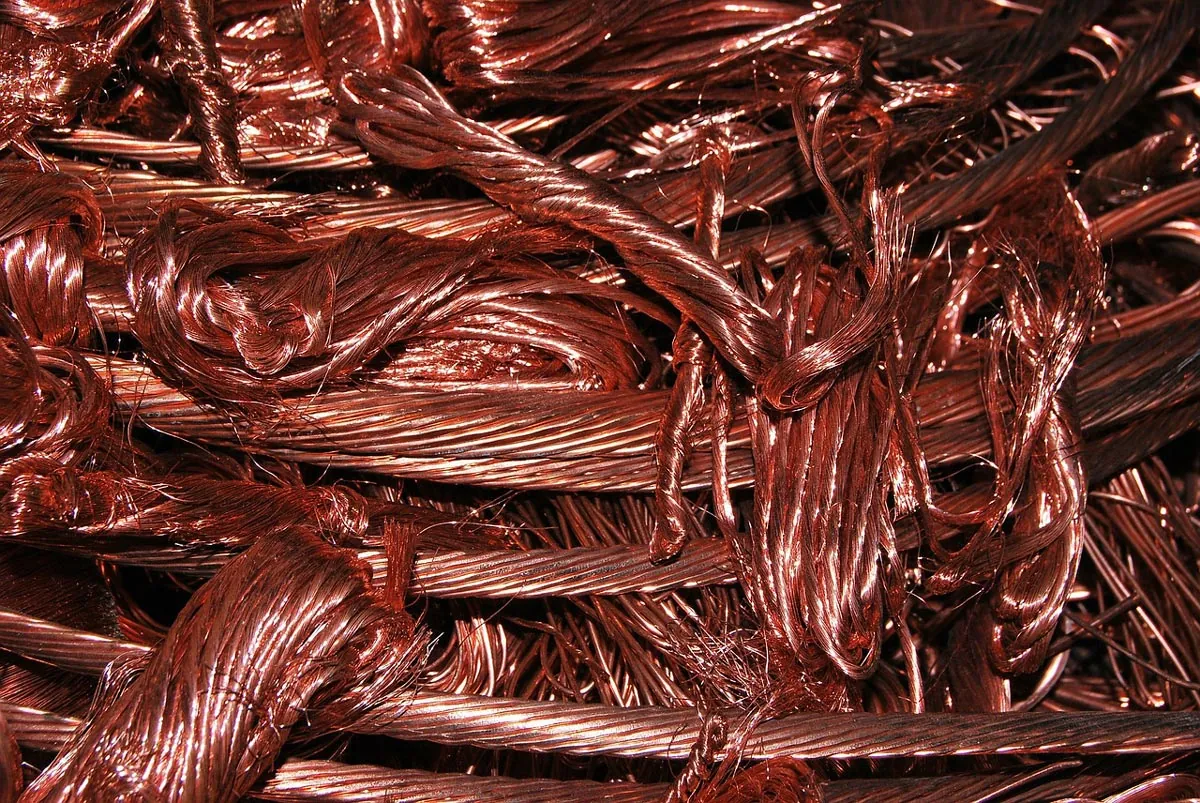
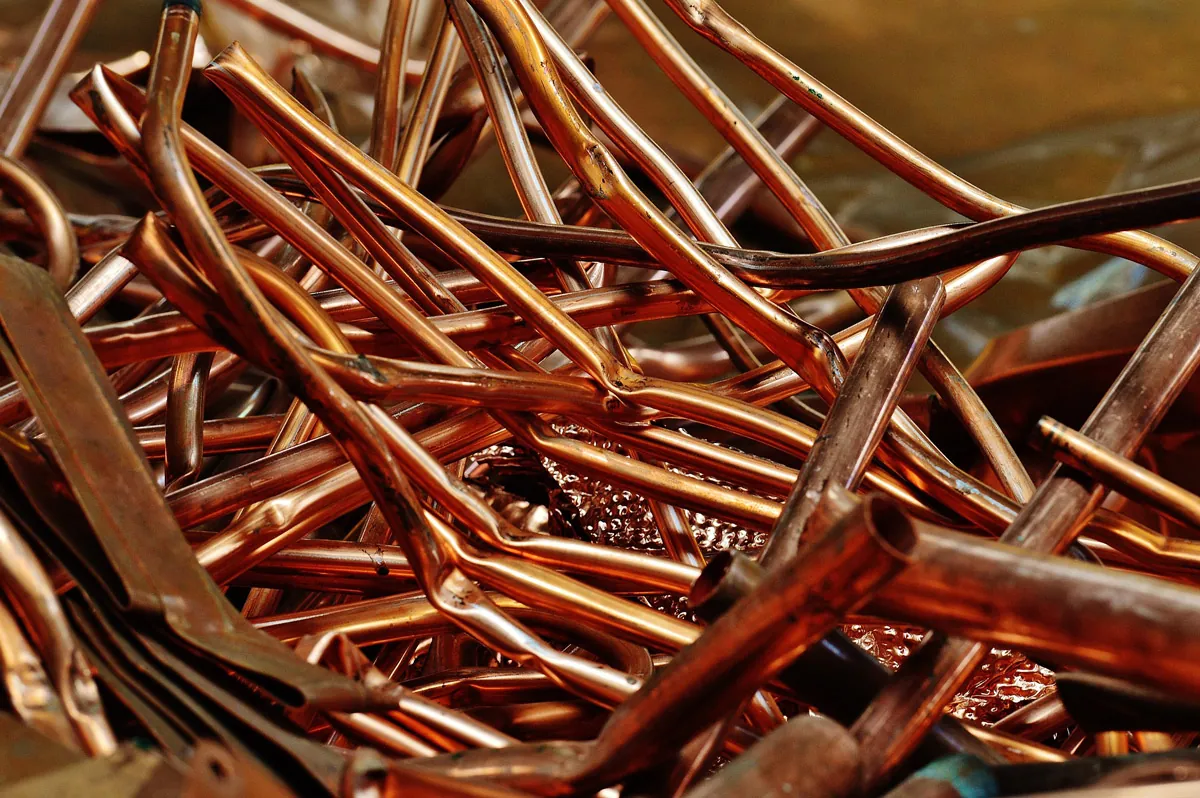
| Copper: bright and shiny, and clean | Highest | Close to pure copper and ready to melt |
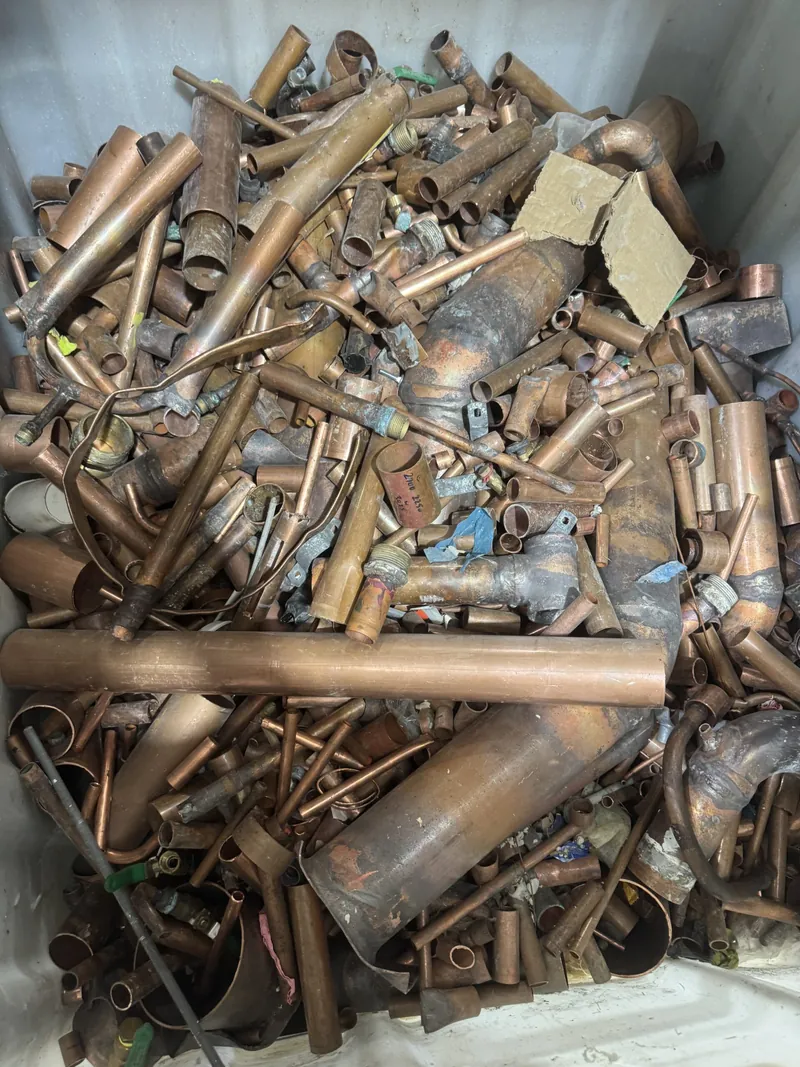
| Copper: mixed or dirty | High | Mostly copper, but solder, paint and fittings must be dealt with first |
| Brass: clean and mixed | High to middle | A copper and zinc alloy, so less copper per kilo |
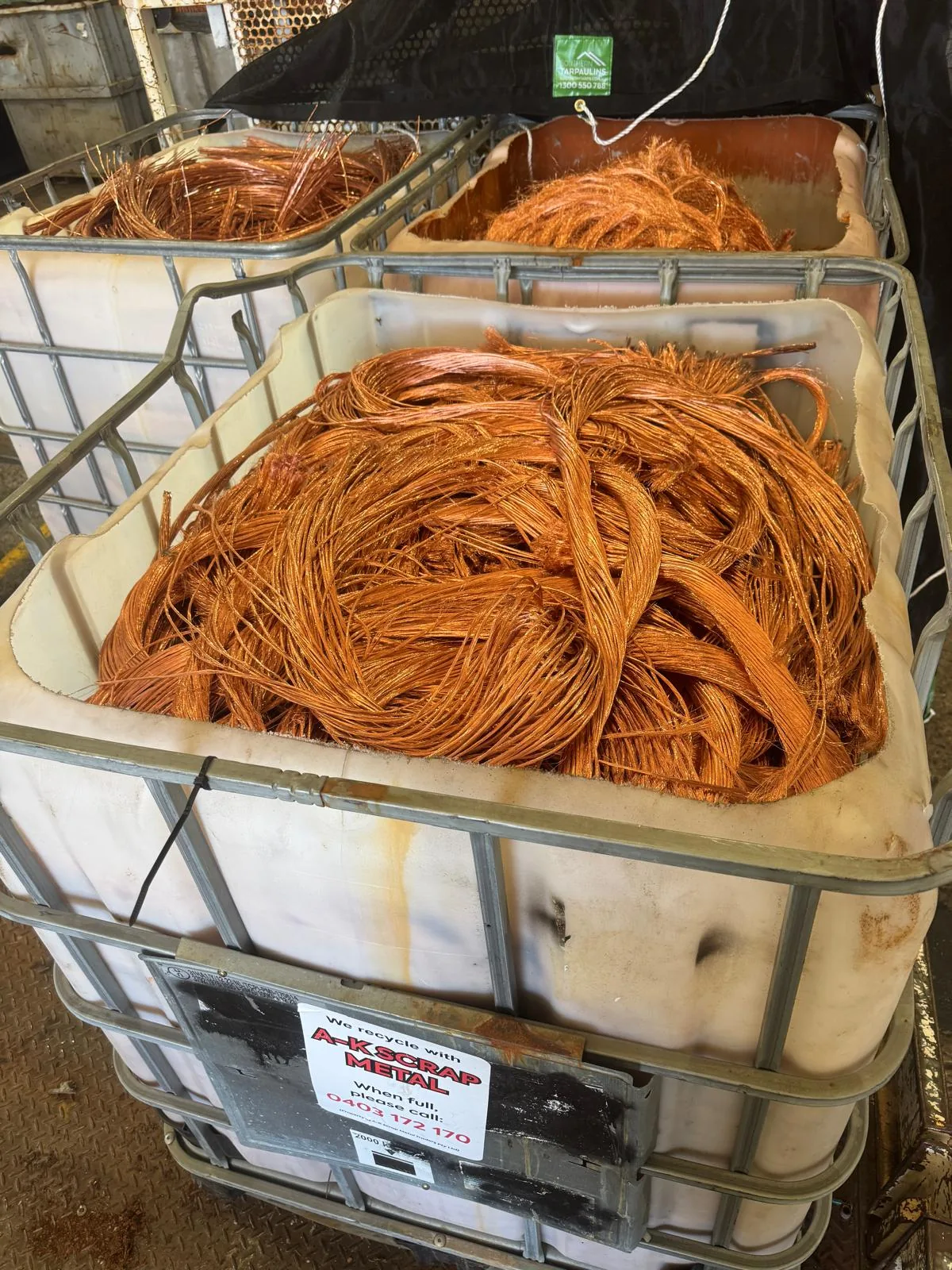
| Copper insulated wire and cable | Middle, with a wide range | Paid on the copper inside: heavy power cable sits well above data cable |
| Aluminium, stainless steel and lead | Middle | Each follows its own market, so they often swap places |
| Motors, compressors, aircon coils and switchboards | Lower to middle | Copper and aluminium inside steel housings, bought whole by type |
| Steel and iron | Lowest | Plentiful, heavy and lower in value per kilo than any non-ferrous metal |
A general guide only. Groups in the middle can swap places as markets move, and grade can lift or drop any metal within its group.
Why copper sits at the top
Copper is used in wiring and plumbing everywhere, and it can be recycled again and again without losing its properties, so demand for good copper scrap is usually strong. The gap between bright, clean and mixed copper can be bigger than people expect, which is why our scrap copper prices guide covers copper grades on their own.
Ferrous vs non-ferrous: the first price split
The biggest single factor in what your scrap is worth is whether it contains iron. Ferrous metals, such as mild steel, REO, cast iron and steel plate, are plentiful and usually paid at the lowest rate per kilo. Non-ferrous metals, such as copper, brass, aluminium and lead, contain little or no iron and are usually worth considerably more.
Stainless steel is the odd one out. It contains iron, but its nickel and chromium content means it is graded and priced on its own, and its rate tends to move with the nickel market. Mixed into a steel pile, it can end up paid as steel.
A fridge magnet is the quickest test. If it sticks firmly, the metal is steel or iron. If it does not, it is probably copper, brass, aluminium or stainless, and belongs in its own pile.
Why scrap prices change from day to day
People often ring us expecting the same rate they got a month ago, and sometimes it has moved. Scrap prices are tied to markets that trade every working day, so the rate for copper or aluminium can shift from week to week. Steel tends to move more slowly, but it moves too.
What usually moves the price
None of this is in your control. What you can control is the grade, and that is often the bigger lever on your final figure.
- World metal markets. When the LME and other benchmarks rise or fall, scrap rates usually follow.
- The Australian dollar. A weaker dollar can lift local rates for metals priced in US dollars, and a stronger one can do the opposite.
- Local and overseas demand. When smelters and mills need more of a grade, they pay more for it.
- Supply of scrap. When a lot of one metal is coming through yards at once, its rate can soften.
- Freight and processing costs. These feed back into what a yard can pay.
Why no reputable yard can quote a fixed price online
Search for scrap prices today and you will find plenty of numbers, but a price per kilo means little until someone has seen the metal. Copper pipe with brass fittings soldered on, or aluminium frames with the glass still in, are paid at a lower grade than the clean version, even though they look the same in a listing.
A published rate is also out of date as soon as the market moves. A fixed number on a website is either a rough figure for the best grade or one that will change once your load is on the scale.
That is why we quote on what you actually have: an honest estimate from a photo, then the grade and rate confirmed in front of you.
How to get today's scrap metal price
Call 0403 172 170 or text a photo to the same number, and we will tell you what the metal is, how we would grade it and the rate for that grade today. The phone is answered 24/7.
New to selling? Our guide on how to sell scrap metal in Sydney covers choosing a yard and what to bring. Non-ferrous metal is collected anywhere in the Sydney area through our free scrap metal pick up, and fees may apply for steel.
- Take a clear photo in good light. For cable, show the cut ends. For pipe and fittings, get close enough to see solder, brass and paint.
- Tell us roughly how much you have, where it is and whether you would like to drop it off or have it picked up.
- We reply with how we would grade it and an estimate at today's rate.
- The final figure is set when the metal is graded and weighed in front of you, and you are paid on the spot.
Text a picture of your scrap to 0403 172 170 and we will tell you what it is and the current rate for its grade.
How grading and open weighing work at A-K
We have graded and weighed scrap in Mortdale since 2003, and the method is simple on purpose: you see every step and every number, at the yard or at a pick up.
Grading in front of you
Before anything goes on the scale, we sort the load into grades and tell you which grade each pile is going into and why. If a fitting needs to come off, or a bundle of cable is lower grade than it looks, we point it out then, so nothing about the grade is a surprise when you see the total.
Open weighing
Each grade is weighed on its own, where you can see the scale, and we can photograph the readings so you have a record. We work out the total from each grade's weight and current rate, show you the figures and pay you on the spot.
Mistakes that lower the price of your scrap
What we see on the scale most often is good metal pulled down by what is attached to it or mixed in with it.
The usual culprits
Our guide on how to prepare scrap metal for sale covers stripping, cleaning and sorting step by step.
- Mixing grades. A mixed bin is usually graded by its lowest material, so a handful of brass fittings or data cable in with clean copper can pull the whole lot down.
- Leaving attachments on. Steel screws in brass, rubber seals in aluminium frames, plugs on cable and brass valves on copper pipe keep the metal in a lower grade.
- Burning cable to strip it. It sends toxic smoke into the air and damages the copper, which lowers its grade.
- Bringing it wet, oily or dirty. Water, oil, concrete and soil add weight that is not metal, and a yard has to allow for it.
- Hiding steel in a load. Steel tucked inside a bag of copper turns up during sorting and slows the job down for everyone.
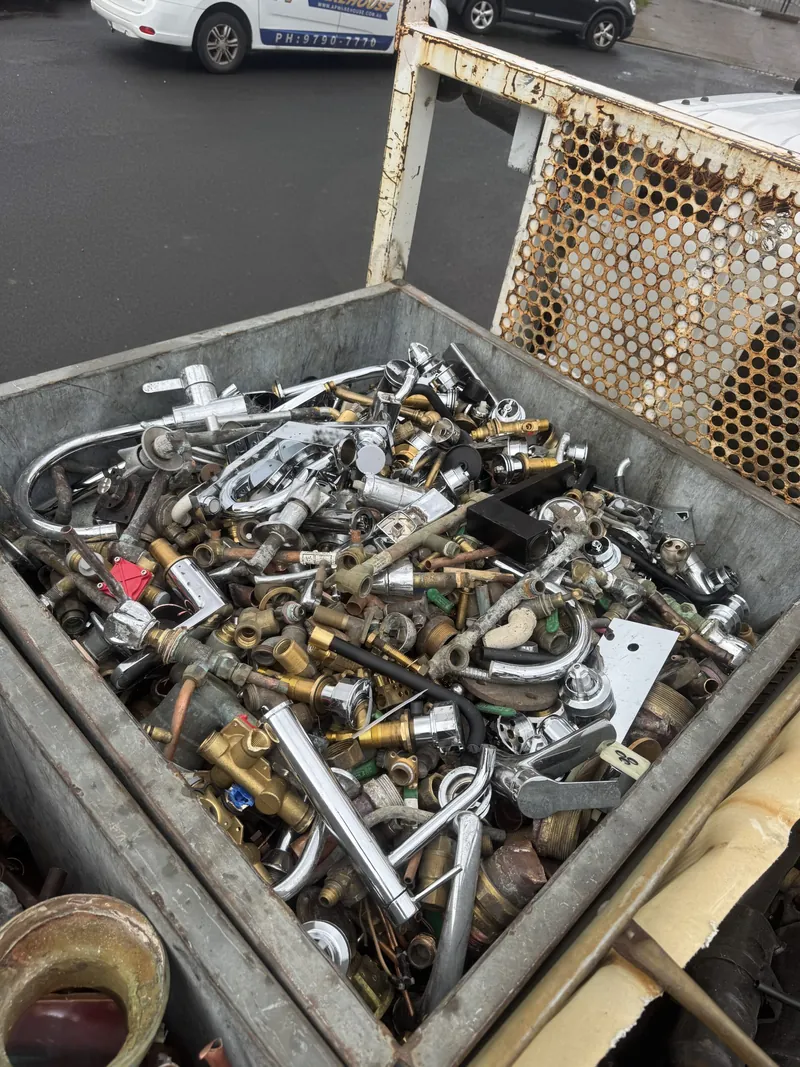
- Throwing out the small stuff. Old taps, a burnt-out motor or a flat car battery can all be worth selling.

About the author
The A-K Scrap Metal yard teamFamily-run metal recyclers at 18 Barry Ave, Mortdale since 2003. We grade, weigh and buy scrap metal at our yard and on job sites across Sydney every week, and we write these guides from what we see on the scale. Metal prices change with the markets, so we never publish rates: call 0403 172 170 or send us a photo for today's price.
Updated 13 November 2026 · About A-K Scrap Metal