Short answer
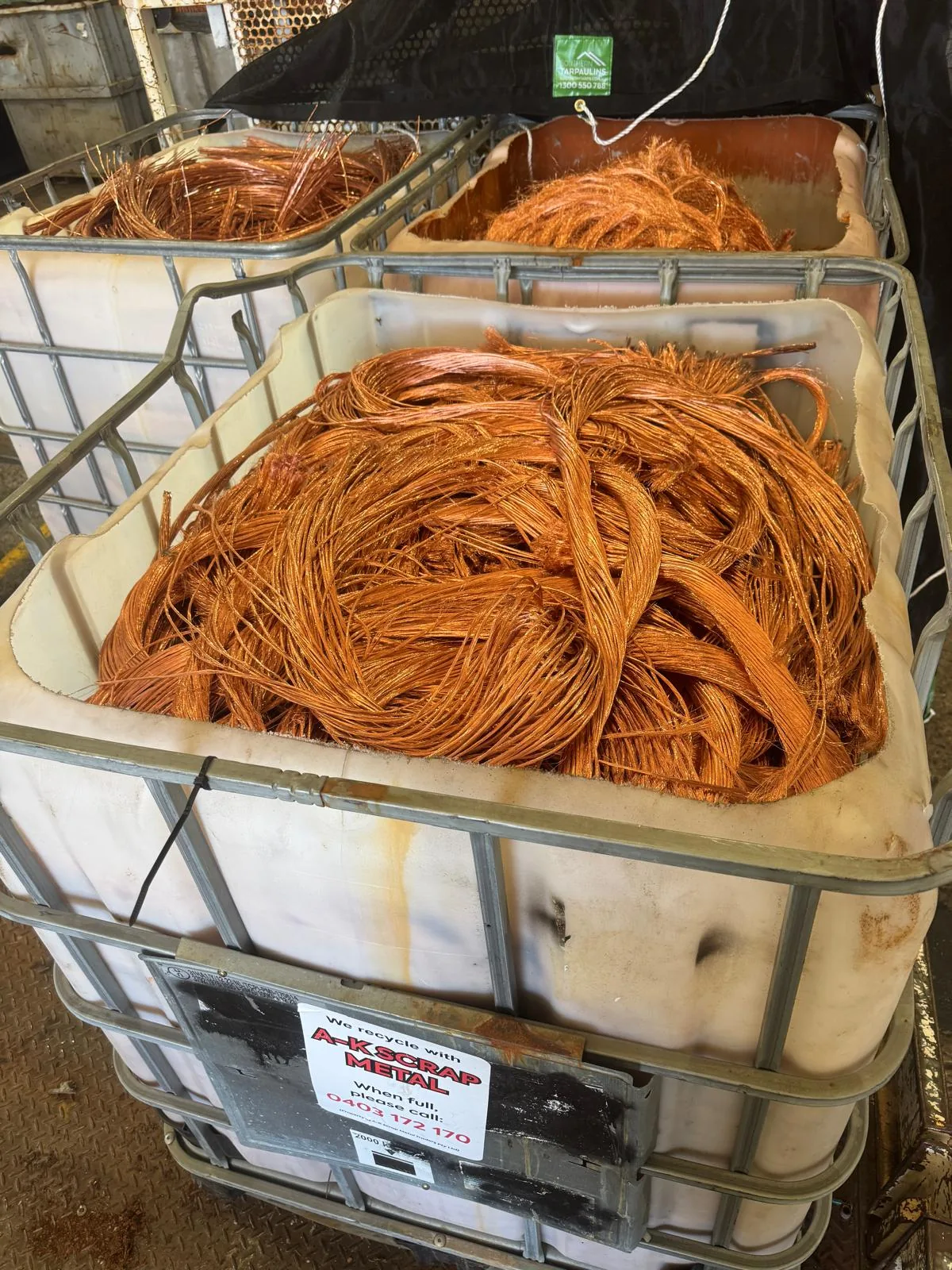
Bright and shiny copper is clean, bare, unalloyed copper wire with no insulation, coating, solder, paint or tarnish, and it is the top copper grade at most Sydney yards. Burnt copper is wire that has had its insulation burned off: it comes out oxidised, often brittle and coated in residue, so it is usually graded lower and paid less. Yards sort copper by look, scratch, bend and magnet, then weigh each grade on its own.
What is bright and shiny copper?
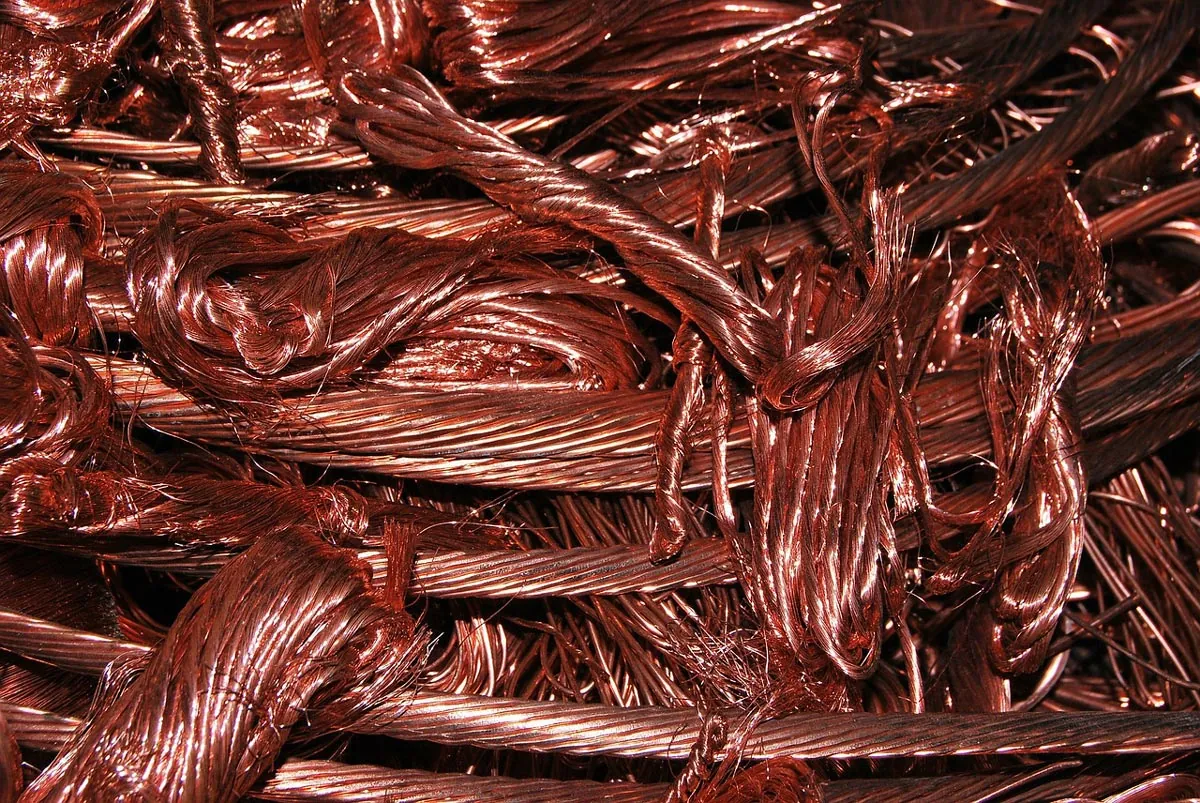
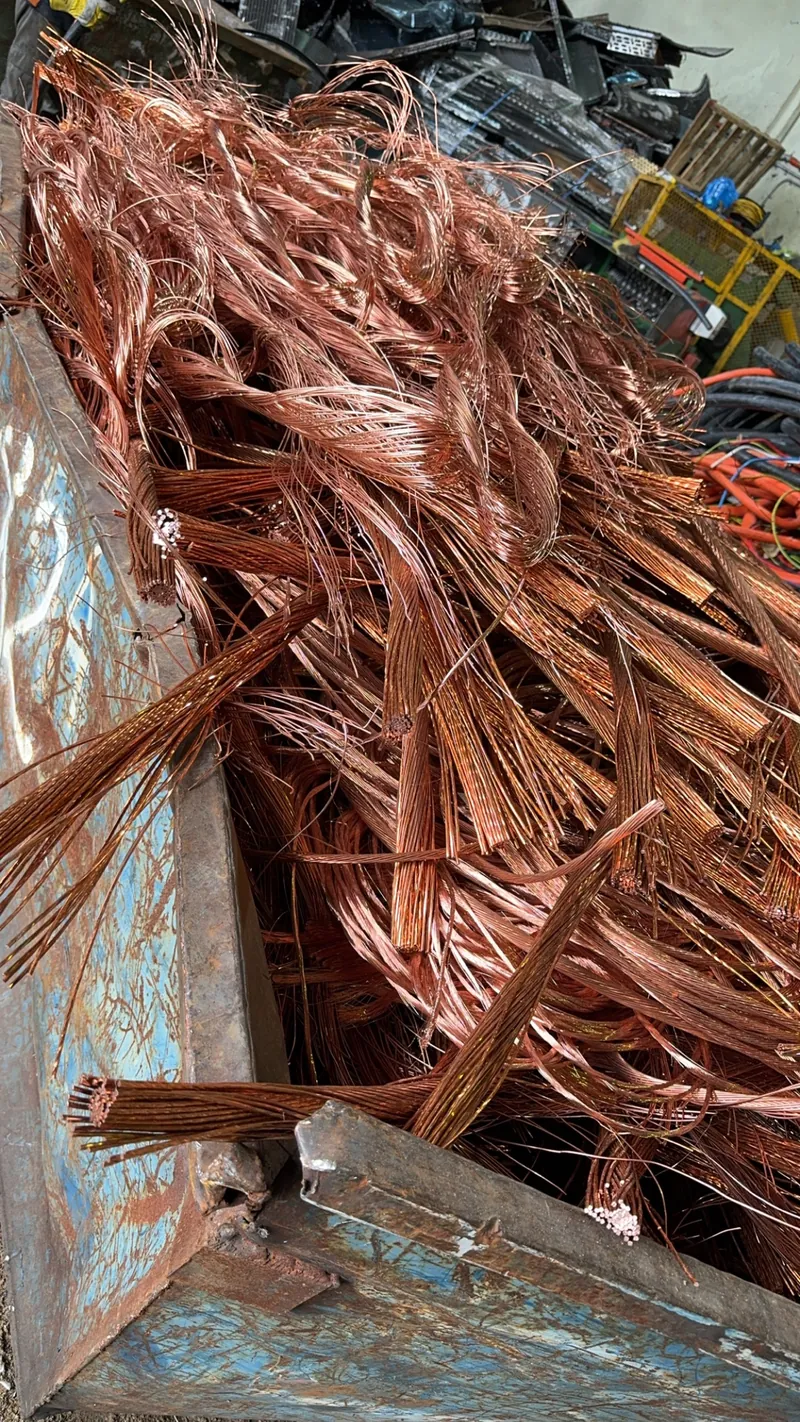
Bright and shiny copper is bare, unalloyed copper wire with nothing on it: no insulation, coating, solder, paint or tarnish. It has the salmon pink to bright orange colour of fresh copper along its whole length, and it usually comes from stripped heavy power cable. You may also see it called bright copper scrap or bare bright.
It tops the copper grades because it needs very little preparation before it is melted and reused. To pass, wire usually needs to be:
- Bare: every bit of PVC, rubber or paper insulation gone, including tails inside lugs.
- Uncoated: tinned wire and varnished motor winding wire do not pass, however clean they look.
- Clean: no solder, paint, grease, plaster or brass terminals.
- Bright: brown tarnish, black scale and green patina all take it out of the grade.
- Sound and reasonably heavy: it bends without cracking, and hair-fine strands are often graded separately.
What is burnt copper, and why is it graded lower?
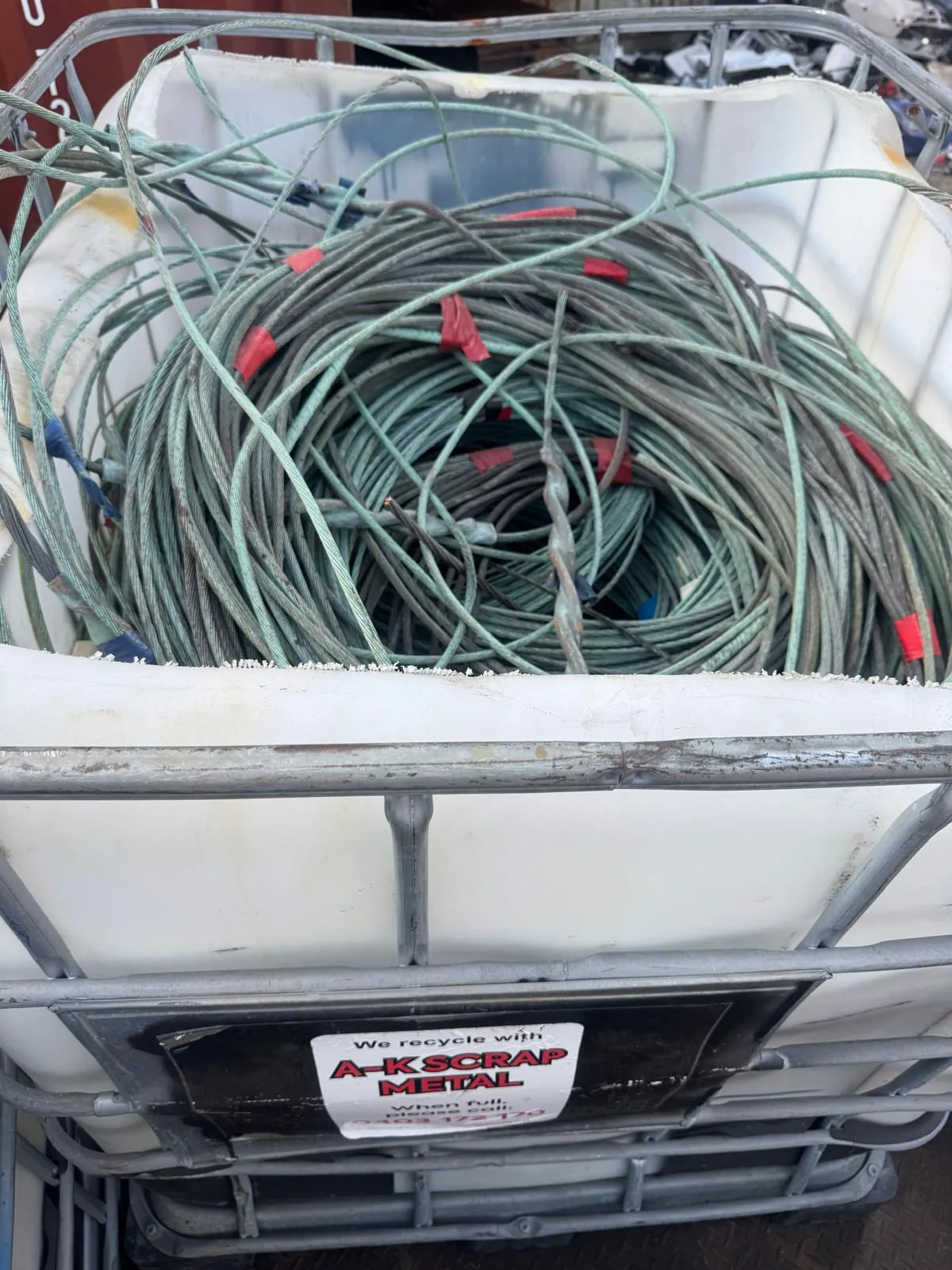
Burnt copper is wire that has had its insulation burned off rather than stripped. It is still copper, but the fire changes it: a dark oxide layer forms on the surface, thin strands can turn brittle, and melted plastic, ash and soot stick between the strands. It usually arrives black or dark brown, sometimes with purple tints, and feels rough and flaky.
We grade burnt wire below bright and shiny, as most yards do. Depending on how badly it was burnt, it often goes in with clean or mixed copper, and wire that snaps when bent or comes with ash and steel can go lower still. The oxide weighs on the scale but gives back less copper in the furnace, residue has to be dealt with before melting, and brittle wire is harder to check.
That is why the burnt copper scrap price sits below the bright copper wire price at any yard. Burning removes plastic you were never paid for anyway, and leaves you below the rate clean stripping could have earned.
Burnt wire also draws questions, because burning removes the sheath and the markings that show where a cable came from. Expect to be asked about its source; our guide to NSW scrap metal laws explains why dealers record each sale.
Bright vs burnt copper side by side
How the two compare on our pre-weighing checks:
| Check | Bright and shiny copper | Burnt copper |
|---|---|---|
| Colour | Even salmon pink to bright orange | Black, dark brown or patchy, sometimes with purple or rainbow tints |
| Surface | Smooth and clean, with no coating | Rough, flaky oxide, often with soot, ash or melted plastic between strands |
| Scratch test | The same bright copper under the surface | Oxide flakes away to uneven copper underneath |
| Bend test | Bends smoothly and holds the bend | Thin strands may crack, snap or shed scale |
| Usual source | Heavy power cable stripped with a blade or stripping tool | Cable burned to remove insulation, or wire recovered after a fire |
| Usual grade | The top copper grade at most yards | Below bright and shiny; often clean or mixed copper, lower if brittle or dirty |
Grade names and cut-offs vary between yards. We show you which grade your copper goes into before it is weighed.
How scrap copper is graded: the copper grades ladder
Bright and burnt wire are two rungs on a longer ladder. Yards use their own names, and overseas sites talk about bare bright, No. 1 and No. 2 copper, but the logic is the same: the purer the copper and the less work before melting, the higher the grade. Roughly, from the top down:
| Copper grade | What passes | What usually fails it |
|---|---|---|
| Bright and shiny | Bare, uncoated, untarnished wire stripped from heavy cable | Tinned or enamelled wire, burning, tarnish, solder, very fine strands |
| Clean copper | Pipe, tube, busbar and heavy offcuts with nothing attached; light tarnish is fine | Brass fittings, solder joints, paint, lagging, heavy corrosion |
| Burnt wire (graded on condition) | Solid, reasonably clean burnt wire, often placed with clean or mixed copper | Brittle strands, ash, melted plastic and steel push it lower |
| Mixed or dirty copper | Copper with solder, fittings, paint, plaster, coatings or heavy corrosion | Steel, plastic and rubbish mixed through it |
| Insulated cable | Power cable, building wire, flex and data cable, graded high, mixed or low by copper content | Plugs, steel armour and thin wire mixed through heavy cable |
Each grade has its own rate, and rates move with the market. For what sets the price per kilo, see our guide to scrap copper prices in Sydney.
Clean copper pipe, mixed copper and insulated cable
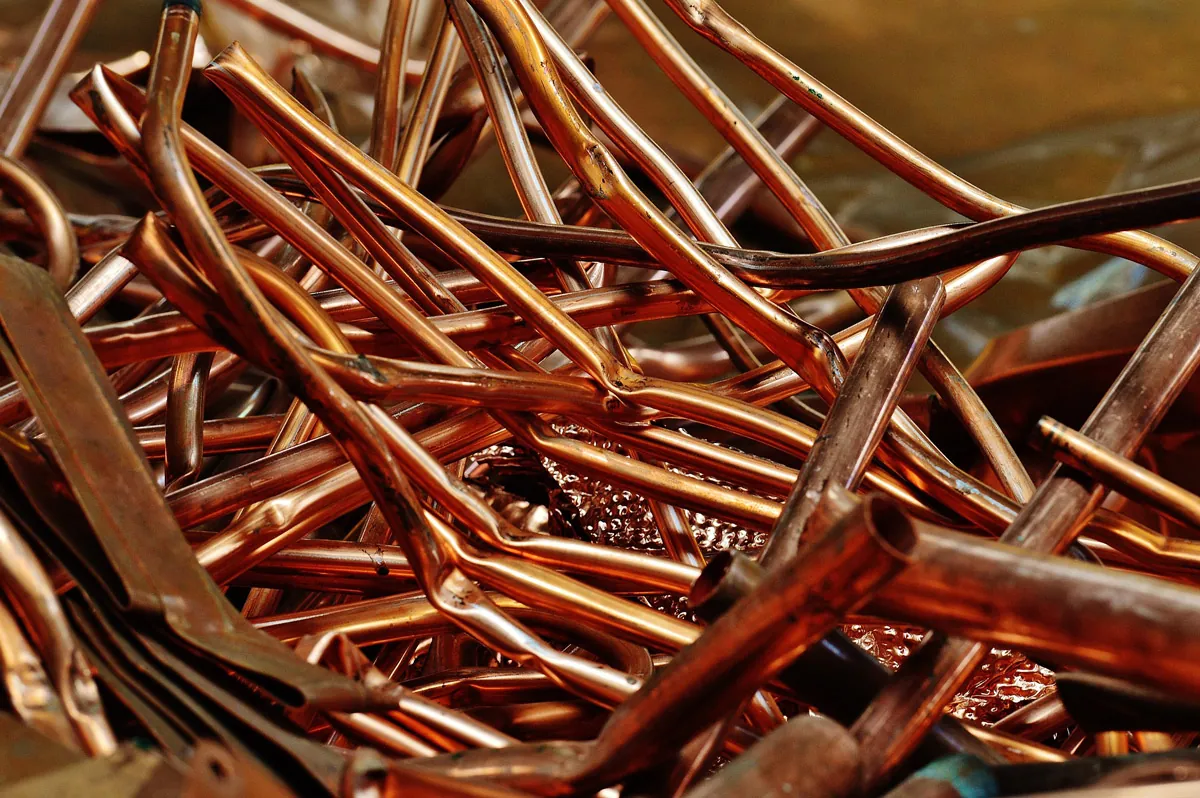
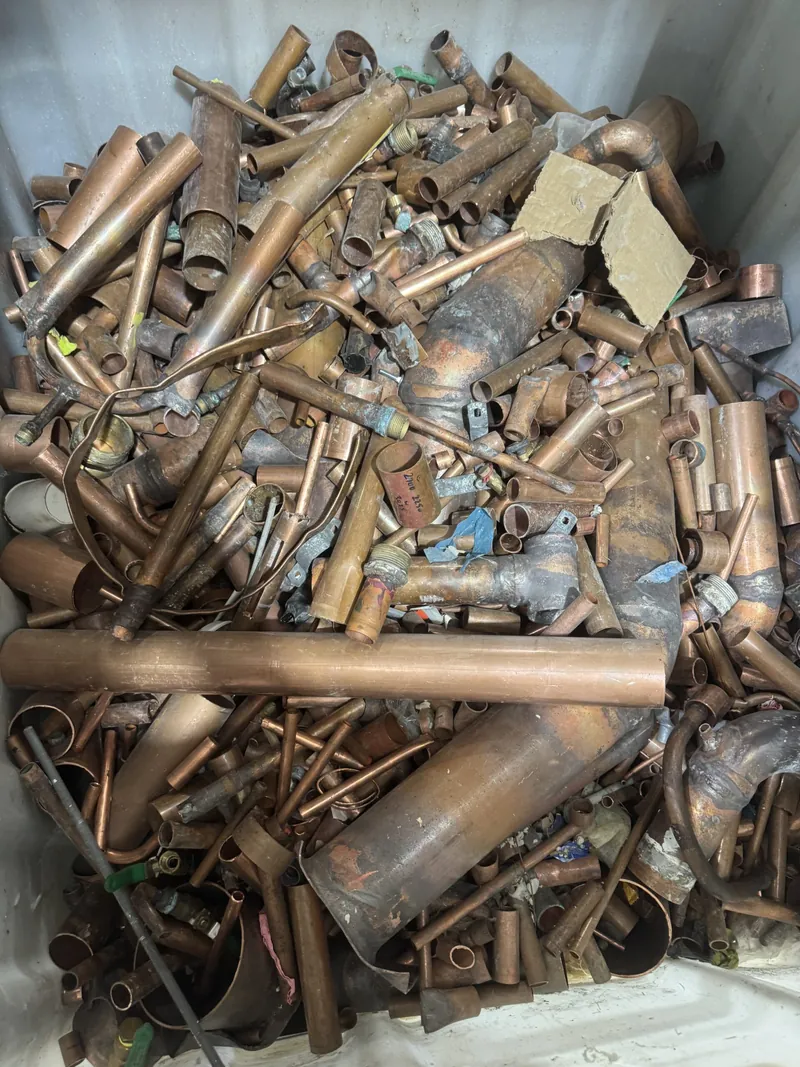
Copper pipe is the most common clean copper, from plumbing jobs, gas fit-outs and hot water changeovers. It stays clean once every fitting, soldered joint and strip of lagging is off. Light tarnish is usually fine on pipe, even though it would knock wire out of bright and shiny.
Mixed or dirty copper still carries something else: solder blobs, brass fittings, paint or plaster from renovations, tin or enamel coatings, or heavy corrosion. It is still bought by the kilo, at a lower grade. Our copper scrap page lists what we buy in every copper grade.
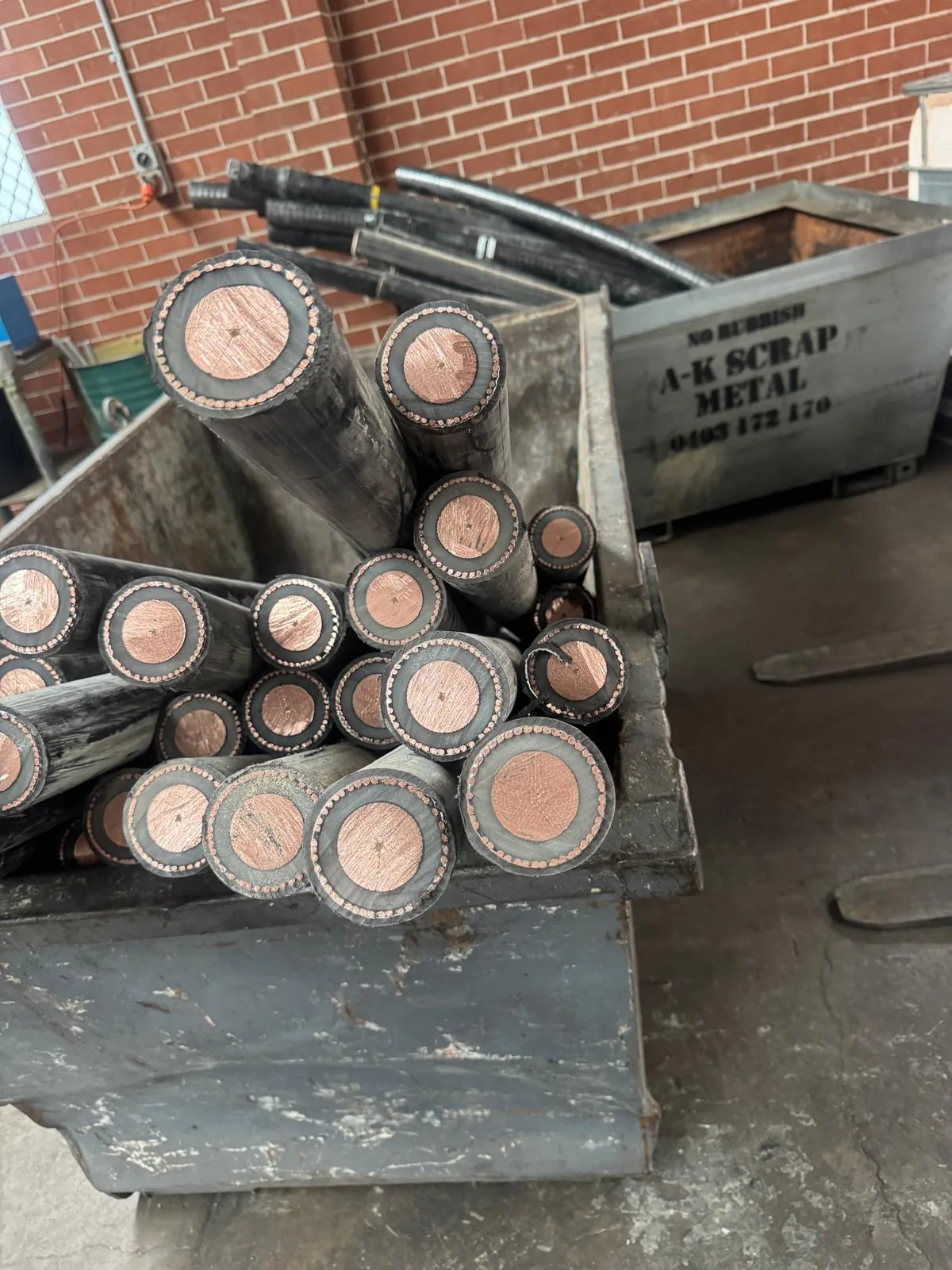
Insulated cable is graded on how much copper sits inside the plastic. Heavy single-core power cable is mostly copper by weight; data cable and thin leads are mostly plastic. Keep them apart, and see our cable recycling page for cable loads.
How a yard checks copper grade: look, scratch, bend and magnet
Grading copper does not need a lab. These are the four checks we run in front of you before anything goes on the scale.
- Look. We check the colour along the bundle and at the cut ends. Salmon pink suggests bright and shiny, silver strands mean tinned wire, coloured varnish means enamelled wire, and black scale means burnt.
- Scratch. A file or blade shows what is underneath. Tarnish scrapes back to bright copper, burnt oxide flakes away, and a silver or grey core under a copper skin means copper-clad aluminium or steel, which is not graded as copper.
- Bend. Good copper wire bends smoothly and holds the bend. Burnt or badly corroded wire may crack, snap or shed flakes.
- Magnet. Copper is not magnetic. If a magnet grabs a piece, there is steel in it, such as a core, armour, a screw or a clip, and it comes out of the copper pile.
We also look for weight that is not copper, such as water in bags or steel hidden in a bundle. If a piece could go either way, we tell you; often a quick cut lifts it a grade.
What drags copper down a grade
The same few problems knock copper down a grade:
- Burning: the fastest way to turn bright wire into a lower grade.
- Weather: stripped wire left in the rain or an open ute tray quickly browns.
- Coatings: tin plating, enamel and paint count against the grade.
- Attachments: brass fittings, solder joints, lugs, clips and screws turn clean copper into mixed.
- Leftover insulation: a few PVC tails can grade a whole bag of stripped wire down.
- Mixing: a bin of bright wire, pipe and cable offcuts is usually graded at its lowest material.
- Dirt and moisture: mud, plaster, oil and water add weight that is not copper.
Some of these are cheap to fix and some are not. Cutting brass fittings off pipe usually pays; scraping paint off pipe usually does not.
Why you should never burn cable to get the copper out
Burning cable is dangerous. PVC and rubber sheathing give off toxic smoke, the fire is hard to control and molten plastic sticks to skin. It also costs you the grade you were trying to reach.
It is restricted in Sydney too. The NSW EPA says burning vegetation and domestic waste in the open is generally prohibited at all times in every council area in the Sydney region, and that even where burning is approved, specified articles including coated wire must not be burned. Those rules sit in the Protection of the Environment Operations (Clean Air) Regulation 2022. This is general information, not legal advice; the EPA pages are linked below.
The better option is simple: bring cable as it is. Strip heavy cable with a proper tool if it is worth your time and sell the rest insulated. Burnt wire you already have is still bought, at the grade it now falls into.
How to keep your copper in its best grade
Most of copper's value is kept or lost before it reaches the yard. These habits keep each kilo in the highest grade it can reach:
- Give stripped wire its own covered bin, dry and off the ground.
- Strip heavy cable cleanly or leave it insulated. Never burn it.
- Cut pipe just behind each fitting and keep the brass for its own grade.
- Keep tinned, enamelled and fine wire out of the bright and shiny bag.
- Keep pipe, wire, cable and equipment apart, and steel out of all of them.
- Sell stripped wire before it tarnishes rather than storing it for months.
Not sure of a grade? Text a photo of each pile to 0403 172 170 and we will tell you before you load it. Pick up is free for copper anywhere in Sydney.
Prepared by
The A-K Scrap Metal teamFamily-run metal recyclers at 18 Barry Ave, Mortdale since 2003, buying scrap metal at the yard and on job sites across Sydney. Metal prices change with the markets, so we never publish rates: call 0403 172 170 or send us a photo for today's price.
Updated 17 November 2026 · About A-K Scrap Metal · How we prepare our guides · A K Scrap Metal Traders Pty Ltd, ABN 49 144 672 908